



Dandruff is one of the most prevalent scalp disorders, affecting individuals universally across different ages, races and environments. Scalp problems can be chronic, in hot, humid summers and dry winters in the city, for instance. Of course, a large number of individuals are looking for Dandruff Treatment in Ahmedabad, as it’s not easy to go about your days feeling comfortable or confident otherwise, when you have to deal with constant flakes that itch. Find out what causes dandruff and how treatments recommended by dermatologists work before making a decision.
This comprehensive book explains dandruff from a medical aspect and investigates evidence-based treatments, including whether dandruff control can be permanent.
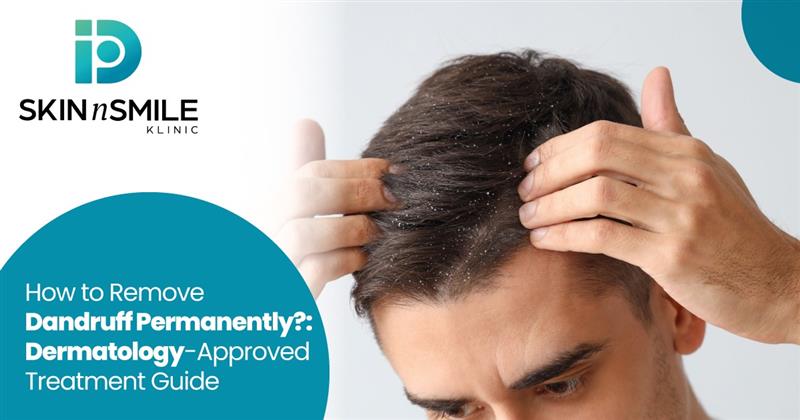
What Is Dandruff?
The medical term for dandruff is Pityriasis Capitis, which means the scalp is usually a long-term condition that causes excessive skin cells to develop, resulting in white or yellow flaky skin on the scalp that can cause mild itchiness. It is noncontagious and does not indicate that someone is messy.
The reason dandruff occurs is that the skin on the scalp sheds cells at a faster rate than normal. These excess skin cells accumulate into flakes that can be easily seen. Dandruff doesn’t cause any harm, but it’s not something you want to live with, and if symptoms don’t respond to some gentle scalp care, they could point to a more serious underlying imbalance in the scalp.
Common Causes of Dandruff
Dandruff has no singular cause. Dermatologists recognise several contributing factors :
1. Malassezia Yeast Overgrowth
On most adult scalps lives a natural yeast called Malassezia. In some cases, it can overproduce and degrade the oils found on the scalp, leading to irritation and flaking.
2. Seborrheic Dermatitis
It's a worse kind of dandruff that can make the scalp red, cause sticky scales to form, and cause swelling. It may also occur on sites like eyebrows, ears and sides of the nose.
3. Dry Scalp
When you try to get rid of it, you need to use a very different method. The weather may be dry, you may wash your hair a lot, or you may use products with a strong hold. It can cause a buildup of flakes that look like dandruff.
4. Product Sensitivity
Additives like dyes, styling products and scented shampoos can irritate the scalp as much as they can the flaking.
5. Climate and Lifestyle Factors
In an urban environment, everything from sweat to heat, pollution, stress and even erratic hair care can interfere with the scalp’s fragile equilibrium.
Can Dandruff Be Removed Permanently?
According to a dermatologist, dandruff is treatable but not curable; it is something you will have to live with for the rest of your life, but it can be managed.
What is the meaning of permanent removal commonly used for?
• Long periods without visible flakes
• Minimal itching or irritation
• Fewer flare-ups over time
It is about dealing with the cause and cure.
Dermatology-Approved Treatments for Dandruff
Medicated Shampoos
Here is what the dermatologists are prescribing you :
• Ketoconazole - Reduces fungal growth
• Zinc pyrithione - Controls yeast and bacteria
• Selenium sulfide - Decreases the rate at which skin cells die
• Salicylic acid - Helps to remove thick scale
Typically, it should be used 2-3 times a week and kept on the scalp for 5 minutes before rinsing.
Topical Treatments
For mild or moderate dandruff, short-term application of topical solutions may be recommended :
• Antifungal lotions
• Application of corticosteroids to the scalp (under medical direction)
These are absolutely fantastic for the inflammation and itchiness during flare-ups.
Natural and Supportive Care Approaches
Natural remedies can work wonders for dandruff when used correctly, particularly for mild cases.
Scalp Hygiene
Shampoo your scalp frequently, depending on your scalp type.
Avoid overwashing or waiting too long to wash.
Gentle Hair Products
Use fragrance-free or dermatologist-tested shampoos
Avoid excessive styling products
Oils and Home Care
Some oils, including coconut oil, help moisturise a dry scalp. Oil can be used sparingly, but excess oil can exacerbate fungal dandruff in some people.
Role of Diet and Lifestyle
Diet alone won't cause dandruff, but your scalp will definitely enjoy a good one.
- Adequate hydration
- Sufficient zinc and B vitamins, combined with omega-3 fatty acids
- Lowering stress, because it can make flare-ups worse
These are ingredients that help maintain the skin barrier and the immune system.
When to Consult a Dermatologist
Medical evaluation is recommended if :
In case of dandruff, the daily use of shampoo offers no help
- Redness, sore or thick scaling
- Flaking spreads beyond the scalp
- Hair loss accompanies dandruff
A dermatologist will determine whether you have dandruff, psoriasis, a fungal infection or an allergic reaction and ensure that you don’t waste your precious time on treatments that won't work.
How Long Does Dandruff Treatment Take?
The maximum benefit is reached after 2–4 weeks of use. Maintenance is vital as cessation of treatment may allow for a relapse.
Long-term control usually involves :
- Periodic use of medicated shampoos
- Avoidance of known triggers
- Seasonal modulation of treatment
Final Word
Dandruff is a common term for scaly skin that falls off the scalp and gets stuck in hair, as well as on hats, collars and shoulders. This scale refers to time, thinner flakes of shed skin that fall from the scalp. Knowing its causes and treatments endorsed by dermatologists at Skin n Smile Klinic. Regular scalp maintenance, using the correct product, and seeking medical attention are the best ways to avoid flare-ups and maintain a healthy scalp over time. A diligent, informed approach will offer the best dandruff treatment, the most successful and peaceful for both hair and scalp.