



Hair loss affects men and women of every age, and the causes range from genetics to nutrition gaps, hormone shifts, medical conditions, or everyday habits. Many people jump straight to searching for a Hair Transplant in Ahmedabad the moment they spot thinning but not every type of hair loss needs surgery.
Here's a look at the most common causes, and when it's time to see a specialist.
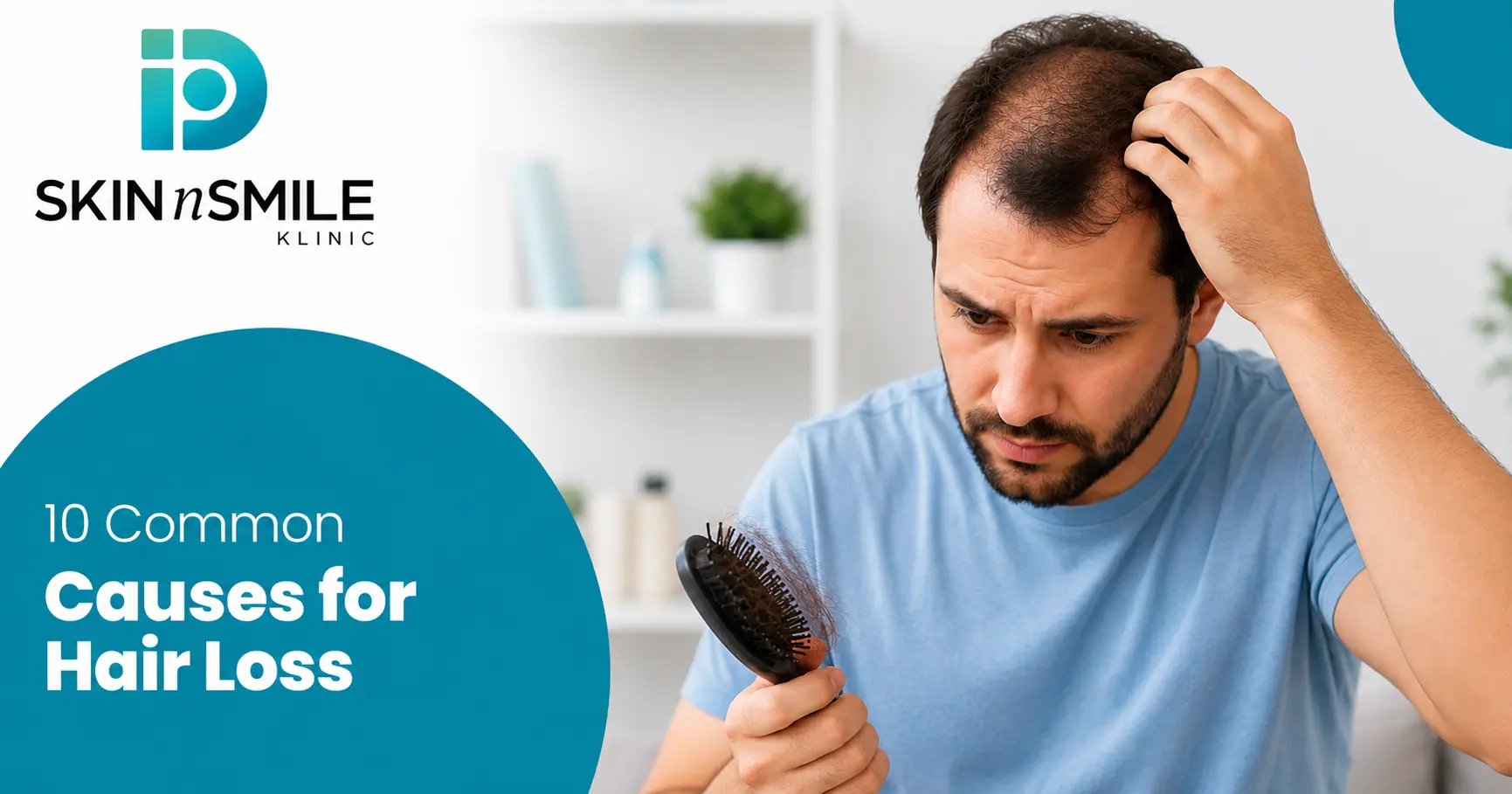
What Are the Most Common Causes of Hair Loss?
Genetics, vitamin deficiencies, stress, hormonal imbalances, thyroid disorders, illnesses like COVID-19, autoimmune conditions, poor nutrition, and rough hair care habits are the usual culprits. The right fix depends on identifying which one actually applies to you, and that takes a real evaluation.
1. Genetics (Male and Female Pattern Baldness)
Genetics is the leading cause of long-term hair loss. If baldness runs in your family, you may develop androgenetic alopecia too, better known as male or female pattern baldness.
Men usually see it start at the hairline or crown. Women tend to notice a widening part or even thinning rather than distinct bald spots.
Common signs:
- Gradual hair thinning
- Receding hairline
- Hair loss at the crown
- Family history of baldness
2. Hair Loss Due to Vitamin Deficiency
Hair needs a steady supply of nutrients to stay strong. Fall short and follicles weaken, leading to more shedding.
Common deficiencies linked to hair loss:
- Iron
- Vitamin D
- Vitamin B12
- Zinc
- Protein
Restrictive diets or poor nutrient absorption raise the risk.
Common Signs
- Increased hair shedding
- Weak or brittle hair
- Slow hair growth
- Fatigue or low energy (in some cases)
3. Stress-Related Hair Loss
Physical or emotional stress can push more hair into its resting phase — a condition called Telogen Effluvium.
Common triggers:
- Emotional stress
- Major surgery
- High fever
- Serious illness
- Rapid weight loss
- Childbirth
Common Signs
- Sudden increase in hair fall
- Shedding during washing or brushing
- Diffuse thinning across the scalp
4. Hormonal Hair Loss
Hormones play a big role in hair growth, so shifts in hormone levels can lead to noticeable thinning.
Common causes:
- Pregnancy
- Childbirth
- Menopause
- PCOS
- Elevated DHT in men
- Other hormonal imbalances
Common Signs
- Diffuse hair thinning
- Increased shedding
- Changes after pregnancy or menopause
- Thinning around the hairline
5. Thyroid Hair Loss
Both an underactive thyroid (hypothyroidism) and an overactive one (hyperthyroidism) can disrupt the hair growth cycle, causing follicles to stop functioning normally.
Common signs:
- Thinning across the scalp
- Dry, coarse hair
- Slow hair growth
- Hair loss with fatigue, weight changes, or temperature sensitivity
Treating the thyroid condition usually helps shedding settle down.
6. Hair Loss After COVID-19
Many people notice extra shedding a few months after recovering from COVID-19 — the same telogen effluvium response triggered by physical stress. It looks alarming but is generally temporary.
Common signs:
- Shedding starts 2–3 months after recovery
- Excessive hair fall while combing or washing
- Overall thinning rather than bald patches
7. Hair Loss in Women
Women's hair loss usually shows up as overall thinning, especially along the part, rather than bald patches.
Common causes:
- Hormonal changes
- Pregnancy and childbirth
- Menopause
- PCOS
- Iron deficiency
- Chronic stress
- Certain medications
Common Signs
- Widening of the hair part
- Reduced hair volume
- Excessive hair fall while brushing
- Thinner ponytail
8. Hair Loss in Teenagers
It's becoming more common. Some shedding during puberty is normal, but persistent hair loss shouldn't be ignored.
Possible causes:
- Nutritional deficiencies
- Hormonal changes
- Academic stress
- Poor eating habits
- Excessive hairstyling
- Scalp infections
Common Signs
- Noticeable thinning
- Hair breakage
- Excessive hair fall during washing
- Itchy or flaky scalp
9. Autoimmune Conditions and Medical Disorders
Certain medical conditions can trigger sudden, unusual hair loss, including:
- Alopecia Areata
- Lupus
- Scalp fungal infections
- Chronic illnesses
- Some medications for serious health conditions
In autoimmune hair loss, the immune system mistakenly attacks healthy follicles, often causing round bald patches.
Common Signs
- Sudden bald patches
- Hair loss in eyebrows or beard
- Patchy scalp hair loss
- Persistent scalp irritation
10. Poor Hair Care and Lifestyle Habits
Daily habits can weaken hair over time, even without an underlying condition.
Common causes:
- Tight hairstyles
- Frequent colouring or bleaching
- Excessive heat styling
- Smoking
- Crash dieting
- Poor sleep
- High stress levels
- Inadequate protein intake
Common Signs
- Dry, brittle hair
- Split ends
- Hair breakage
- Reduced hair strength
When Should You See a Hair Specialist?
Some shedding is normal, but a few signs mean it's time to get checked. Consult a specialist if you notice:
- Hair loss lasting longer than three months
- Sudden or excessive hair fall
- Bald patches
- A rapidly receding hairline
- Persistent scalp itching, redness, or pain
- Hair loss after an illness that doesn't improve
- A family history of early baldness
Early diagnosis gives treatment a real head start.
Conclusion
If you're dealing with persistent thinning or considering a Hair Transplant in Ahmedabad, get a proper evaluation from the team at Skin n Smile Klinic or call 91040 44040. Identifying the real cause is the first step toward a treatment plan that delivers natural, lasting results.